
Wardrobe Theory Project Annual Subscription
Regular price$99.00 Sale priceYour annual subscription comes with two printed issues per year.
Signing up now secures your spot for Issue 003 and Issue 004. Issue 003 ships Spring '26. Issue 004 ships Fall '26.
Issue 001 and Issue 002 are no longer available via subscription. However, you can choose to add the previous issue WTP002 to your subscription by bundling it with your order above.
- Publisher: WTP
- Design: WTP
- Release: Fall 2025
- Volume: 140 pages
- Format: 8.5" x 12"
- Language: English
In this issue

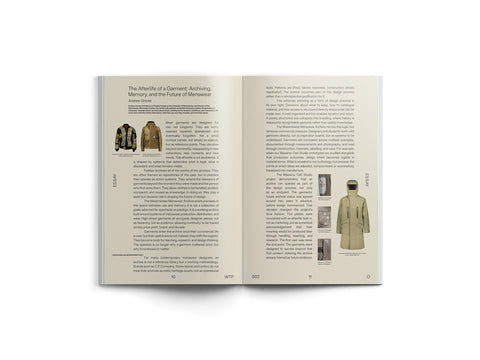
Our essay segment invites a unique voice to share personal insights and reflections on their relationship with clothing and style. These essays offer readers an intimate, often nostalgic exploration of how the pieces we choose to keep—or rediscover—become often woven into the stories of our lives. Through thoughtful storytelling, each contributor delves into themes of sustainability, identity, and the enduring value of cherished garments, aiming to inspire a shift in perspective: from seeing clothing as mere utility or trend to appreciating it as an integral part of our personal histories and values.
In Issue 003, Andrew Groves contributes his thoughts around archiving, memory and the future of menswear—which he is an expert on. As Professor of Fashion Design at the University of Westminster and Director of the Westminster Menswear Archive, he oversees the world's only publicly accessible menswear archive. He specializes in menswear, material culture, and subcultural dress, working across research, exhibitions, and consultancy. His work starts with the clothes themselves: what they are, how they function, and what they reveal.

Some call it the “s-word.” The “big S.” In context, these phrases recall corporate designers, technicians and marketeers talking about how—Sustainability practices, with a capital S—are all phony. For the sake of this generation, much of what’s been previously said and promised—as many “net zero” corporate missions have yielded—amounts to worse than nothing. What is corporate sustainability? We just don’t know.
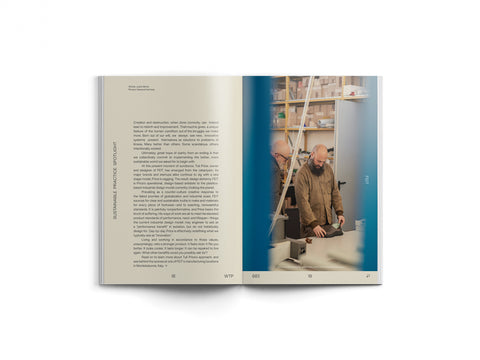
What we do know: there are still brands and companies working to sustainably serve, sell, and scale their trades, projects and practices. Their existence – their will, process and art—is what WTP covers through "Sustainable Practice Spotlight" [SPS]. So who else could better show us the answers to shared questions about our relationship to sustainability—either individual or corporate? With each SPS feature, the symbiotic impact of product, people and planet are at the forefront. No “carbon capture” promises—all straight SPS here.
For our third spotlight, we look at the footwear brand FEIT, and how they have been pioneering handcrafted, leather footwear for years. We sat down for an in-depth conversation with founder and designer, Tull Price, to discuss the inception of the brand, and uncover the philosophy of his visionary and authentic approach. Get an inside look behind the scenes at one of their factories in Montebelluna, Italy. In this day in age, when pace, growth and disposable products are the norm, FEIT moves with intention and purpose.

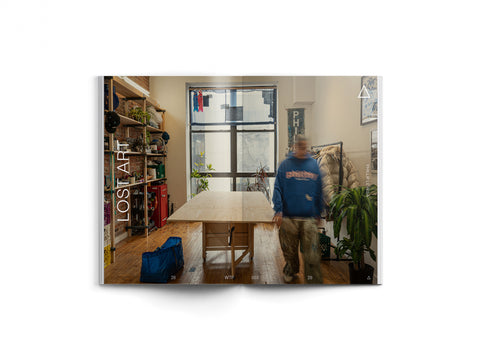
“Lost Art” is a series of stories celebrating the services, businesses and trades that restore, renew and repair our things. With their expertise, they critically keep our clothing items and objects in use over time, promoting sustainability and intentionality with style and spending practices.
For our latest “Lost Art” spotlight, we visited Phillip Leyesa, aka PHILLLLLTHY, at his Brooklyn-based studio space. Phillip is known for his viral upcycling and customization projects that are made using indigo dyeing techniques, alongside sashiko and boro stitching applications. Combining ancient craft with modern streetwear silhouettes, his pieces carry respect for what came before, with a modern streetwear edge and attitude that's only possible in a city like NYC. He has collaborated with Levi's, Adidas, and more. You won't want to miss this intimate look at his process, and we even have a breakdown of indigo dyeing step by step.

In a pinch? Need a quick fix for a sudden problem that won’t go away? You may need to see a doctor for that, but otherwise, bookmark this section. We’re at your service and can see you now! WTP’s "How To" guides will highlight simple, yet effective handiwork methods you can do today to update and prolong your clothing items. Combining utility and self-discovery—sometimes an easy hem or stitch repair can lead to custom garment alterations and new styles to discover—let’s remind ourselves that we’re never too old to learn new things, or see old things in a new light.
And hey, if you really need help with that clothing or sneaker project? Hit up a tailor or cobbler in your local area. We promise, they gotchu. For now, "How To" is here.
In our third issue, we have built a guide to show you how to patch a hole. This example is focused on a pair of Carhartt WIP army fatigue pants, but could be referenced for other holes in various garment styles.

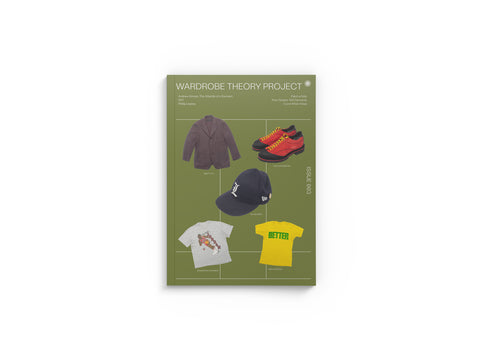
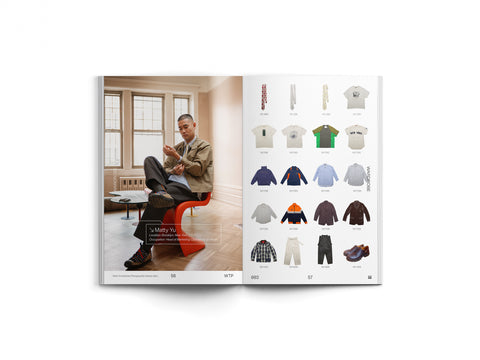
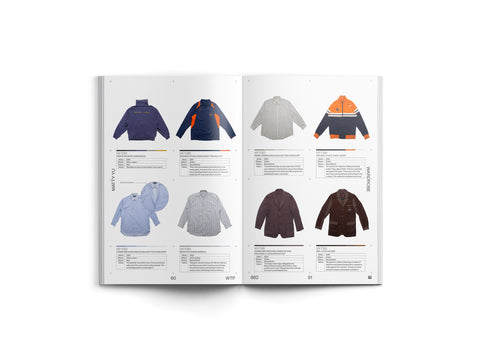
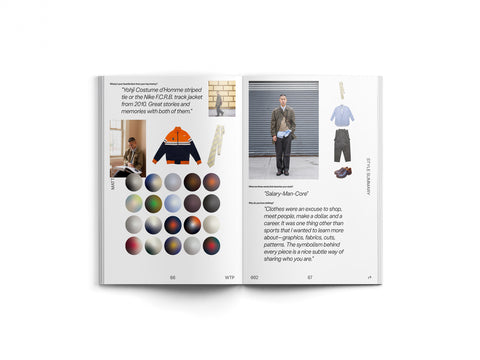
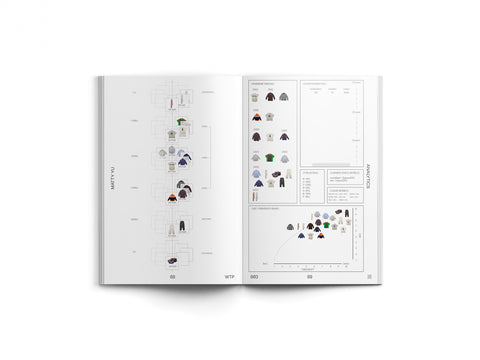
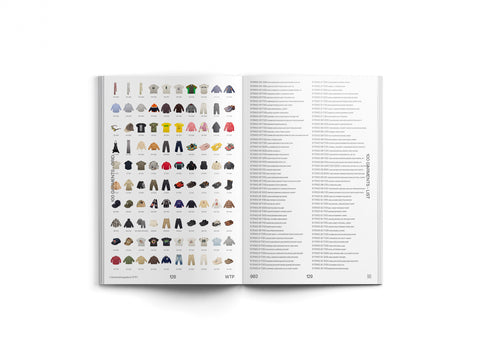
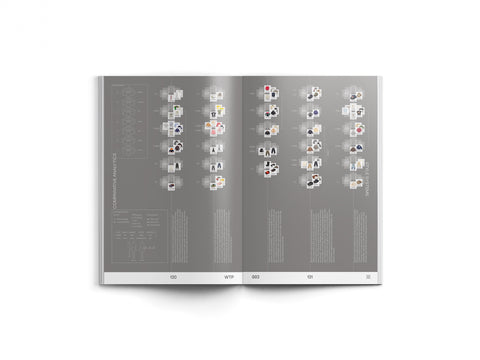
The wardrobe section is where we narrow each person’s closet down to their most used and favorite/sentimental pieces—diving into when and where each piece was obtained, technical details, style insights, and why it means so much to them. Subsequently, we then go beyond documentation, curating the items to better understand and unpack each person’s system of dress. By providing analytics that show data and visuals that prove possibility.
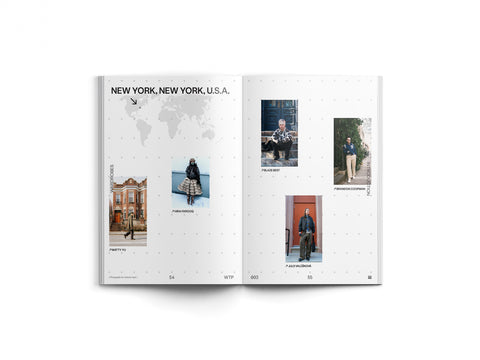
In our third issue, we highlight five New York-based creatives across marketing and design professions. We look at twenty of their favorite items to see what makes their unique sense of style and taste. Matty Yu is the head of marketing at Hinge. Hira Farooq is a senior footwear designer at Kith. Juls Valuskova is a design director of footwear and leather goods, previously at Aime Leon Dore. Blaze Best is a designer at Todd Snyder. Last but not least, Brandon Coopman is a senior footwear designer at Michael Kors.
Explore this issue
